
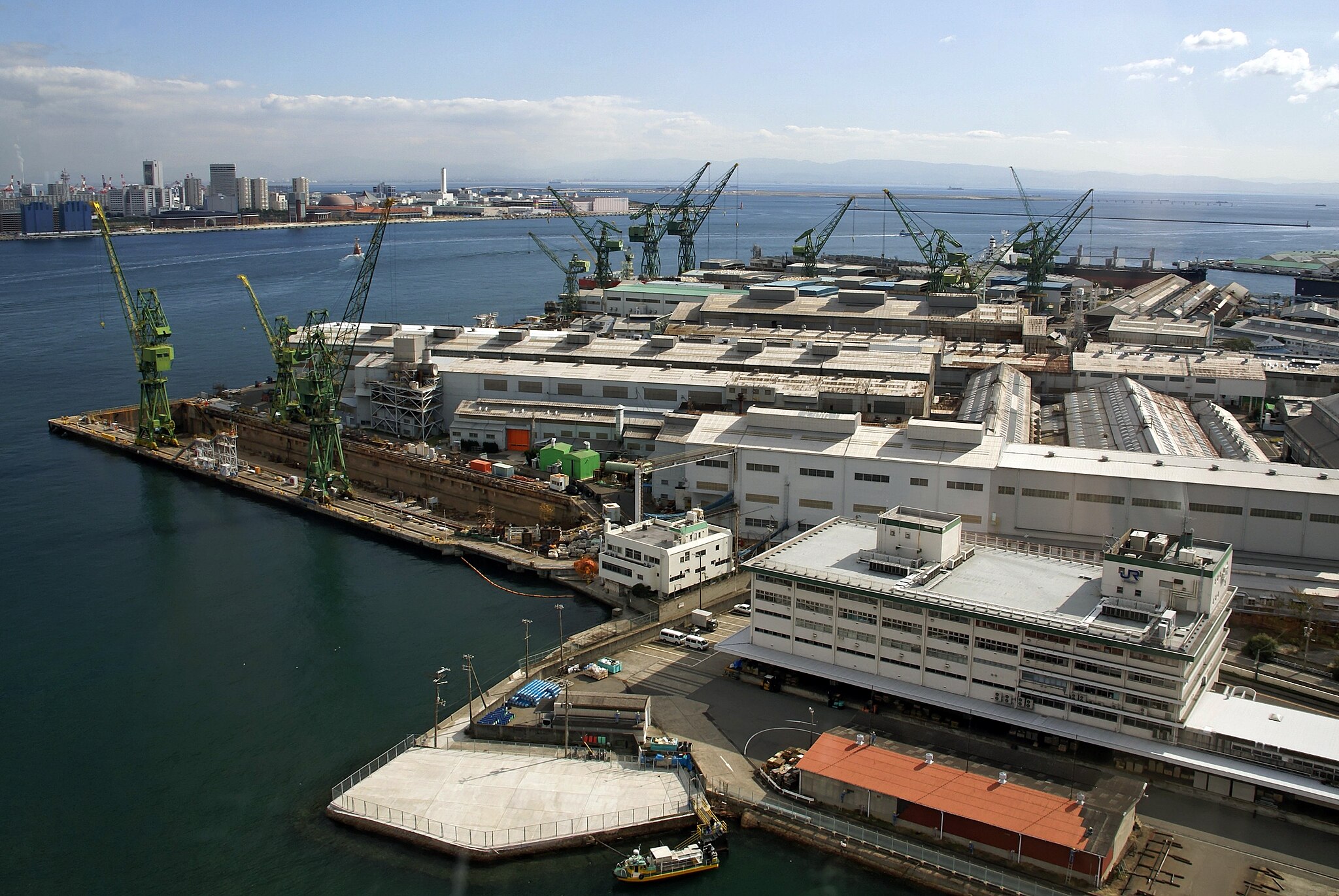
The Japanese shipbuilding industry has a rich history dating back centuries. Known for its innovative approach and ability to adapt to changing market conditions, Japan has become a global leader in shipbuilding. Today, we will explore the evolution of this industry, its most significant achievements, and the challenges it faces in a rapidly transforming maritime landscape.
Historical Background
Japan’s shipbuilding heritage can be traced back to the early 17th century, during the Edo period, when the nation built impressive wooden vessels to facilitate trade and transportation. The industry continued to evolve during the Meiji Restoration in the late 19th century, when the country modernized and industrialized its economy. During this time, Japan began building steel ships, and the shipbuilding industry started to gain international recognition.
The early 20th century saw further growth and expansion of the industry, which played a pivotal role during both World War I and World War II. After the war, Japan focused on rebuilding its economy, and the shipbuilding industry became a key driver of this recovery.
The Golden Age of Japanese Shipbuilding
The 1960s through the 1980s are often referred to as the “golden age” of Japanese shipbuilding, when the country became the world’s largest shipbuilder. During this period, Japan revolutionized the shipbuilding process by incorporating innovative technologies and design techniques. It built a reputation for constructing high-quality, fuel-efficient ships that were both reliable and durable.
Japanese shipbuilders pioneered new vessel types, such as the double-hull oil tanker, which reduced the risk of oil spills and improved environmental safety. Another significant innovation was the introduction of computer-aided design (CAD) systems, which enabled more efficient and accurate ship design. These advancements allowed Japan to maintain its competitive edge over other shipbuilding nations.
Industry Challenges and Adaptation
Despite its significant achievements, the Japanese shipbuilding industry has faced numerous challenges over the years. The 1990s saw a decline in demand due to a global economic slowdown, which coincided with the emergence of strong competitors from South Korea and China. These nations offered lower production costs and generous government subsidies, making it difficult for Japanese shipbuilders to compete.
In response to these challenges, the Japanese shipbuilding industry underwent a period of consolidation and restructuring. Major shipbuilding companies merged or formed alliances to streamline operations, increase efficiency, and reduce costs. The industry also focused on technological innovation, investing heavily in research and development to maintain its competitive edge.
One such innovation was the development of eco-friendly ships, which incorporated advanced technologies to reduce emissions and increase fuel efficiency. This enabled Japanese shipbuilders to cater to the growing global demand for environmentally sustainable shipping solutions. Furthermore, Japan has been a leader in the construction of specialized vessels, such as liquefied natural gas (LNG) carriers, which have a higher profit margin than standard cargo ships.
Current State of the Industry
Today, the Japanese shipbuilding industry remains a major player in the global market. Japan is the world’s third-largest shipbuilder, following China and South Korea. The industry has continued to adapt to changing market conditions and has focused on the production of technologically advanced, specialized vessels.
One of the most notable trends in the Japanese shipbuilding industry is the shift toward smart shipping, which involves the integration of cutting-edge technologies such as automation, artificial intelligence, and the Internet of Things (IoT). These technologies are expected to revolutionize the maritime industry by improving operational efficiency, enhancing safety, and reducing environmental impact.
Japan has also been a frontrunner in the development of autonomous ships, which have the potential to transform the shipping industry. These vessels are designed to operate without human intervention, utilizing advanced navigation and communication systems. Japanese shipbuilders are collaborating with technology companies and research institutions to advance autonomous shipping technology, and they have already conducted successful tests of autonomous vessels in controlled environments.
Another area where Japan has been focusing its efforts is the development of alternative fuels and propulsion systems. As the global maritime industry moves towards reducing greenhouse gas emissions, Japanese shipbuilders have been at the forefront of researching and implementing innovative solutions such as hydrogen fuel cells, ammonia, and hybrid propulsion systems. By doing so, they are helping to shape the future of sustainable shipping.
Government Support and Future Prospects
The Japanese government has recognized the importance of the shipbuilding industry in the nation’s economy and has provided significant support through various initiatives. One such initiative is the “Shipbuilding Vision 2020” program, which aimed to strengthen the competitiveness of the Japanese shipbuilding industry by promoting technological innovation and international collaboration.
Moreover, the government has established a national strategy for the development of autonomous and eco-friendly ships, providing financial support for research and development. This support is expected to help Japanese shipbuilders maintain their competitive edge in the global market and contribute to the nation’s economic growth.
The future of the Japanese shipbuilding industry looks promising, with a strong focus on innovation, sustainability, and specialization. However, the industry must continue to adapt to the ever-changing landscape of the global maritime sector. This will involve embracing digitalization and automation, investing in research and development, and forging strategic partnerships with technology providers and other stakeholders.
In conclusion, the Japanese shipbuilding industry has a storied history and a legacy of innovation and adaptation. While it has faced challenges in recent years, the industry’s commitment to technological advancement and sustainable solutions has allowed it to remain a global leader. As the maritime industry continues to evolve, Japan’s shipbuilding prowess is well-positioned to shape the future of shipping, leading the way in areas such as smart shipping, alternative fuels, and autonomous vessels.
Top visual: Kobe Kawasaki Shipbuilding by 663highland, CC BY-SA 3.0, via Wikimedia Commons.


Comments are closed.